Cafe Business Mistakes New Owners Should Avoid
Opening a cafe looks deceptively simple from the customer side of the counter. A few tables, an espresso machine, pastries in a case, music at the right volume, and a steady line of regulars. From the operator side, it is a business where margins are thin, labor is constant, customer expectations are immediate, and small errors repeat dozens of times a day until they become expensive habits.
Many new owners get into the cafe trade for good reasons. They love coffee, hospitality, neighborhood life, food, or the idea of building a place people return to. Those instincts matter. They can also create blind spots. Affection for the concept often masks how operational the business really is. A cafe is not just a creative venture or a lifestyle choice. It is a system of purchasing, production, staffing, service, maintenance, scheduling, cash control, and local demand. When that system is not designed carefully, even a busy shop can struggle.
The most common mistakes are not dramatic. They rarely look catastrophic on day one. More often, they appear as overconfidence in a location, underpricing a menu, poor labor planning, or a buildout that photographs beautifully but slows service. Owners usually feel the damage in accumulated pressure, rising costs, and a calendar that never quite turns profitable.
Choosing a location for romance instead of economics
One of the first and most expensive mistakes is selecting a site because it feels right rather than because the numbers support it. New owners often fall in love with corner windows, exposed brick, charming foot traffic, or a street they personally enjoy. Those details can help, but they are not a business model.
A cafe depends on repeatability. You need enough people nearby, enough of them willing to buy at your price point, and enough convenience to make your shop part of their routine. A beautiful location that gets weekend stroll traffic but weak weekday morning volume can leave you with strong social media photos and weak cash flow.
Rent is where this mistake turns serious. If occupancy costs are too high, the rest of the business spends its life compensating. Owners try to solve an overpriced lease with higher drink prices, fewer staff, or unrealistic sales targets. That usually creates a second wave of problems. Service slows, quality slips, and guests feel the strain.
A stronger approach is to study the rhythm of the trade area before signing anything. Visit at 7:30 a.m., 11:45 a.m., 2:30 p.m., and 5:30 p.m. On both weekdays and weekends. Watch where people are coming from and where they are going. Count how many are carrying coffee already. Notice whether neighboring businesses generate compatible traffic. A cafe beside offices may thrive from Monday through Friday and collapse on Saturday. One near schools or fitness studios may have pronounced rushes and long gaps. Both can work, but only if the rent structure fits the actual pattern of demand.
The practical question is not whether a space feels like a cafe. It is whether the sales per square foot can support the lease, labor, product costs, utilities, repairs, insurance, and debt without requiring perfect execution every single month.
Underestimating how much capital the first year requires
Many owners budget for opening and forget to budget for operating. That distinction matters more than people expect. Buying equipment, completing a buildout, ordering furniture, and stocking opening inventory are obvious costs. The slower leak begins after the doors open.
Your first months are rarely efficient. New staff work more slowly. Waste runs high. Ordering is imprecise. Some menu items underperform. Equipment needs adjustment. Customers take time to discover you. If you open with just enough money to unlock the doors, you can find yourself making defensive decisions almost immediately. Those decisions often include cutting labor too aggressively, delaying maintenance, buying cheaper ingredients, or reducing marketing when you need it most.
A small cafe can burn cash surprisingly fast if sales arrive two months later than expected. Payroll does not wait. Neither does the landlord. Even a shop doing decent revenue can feel squeezed if the owner underestimated the working capital needed to absorb early inefficiencies.
The safer posture is to treat the first year as a proving period rather than an instant payoff. A business should ideally enter that period with enough reserve to cover several months of imperfect performance. The exact amount depends on rent, payroll, and debt obligations, but the underlying principle is constant. If your plan only works when revenue immediately meets the optimistic forecast, your plan is too fragile.
Building a menu that pleases the owner more than the customer
New cafe owners often overdesign the menu. They want to show range, creativity, and care. That instinct leads to too many syrups, too many food items, too many one-off specials, and too much prep hidden behind a small counter. Customers may enjoy variety, but operations pay the price.
Every additional menu item creates purchasing complexity, storage pressure, training needs, consistency risks, and waste. A sandwich that sells six units a day might still be a bad item if it requires a unique sauce, an extra piece of equipment, and labor-intensive assembly during your busiest hour. The same goes for pastries or signature drinks that look distinctive on paper but clog the line when ten people order at once.
The strongest cafe menus are usually narrower than first-time owners expect. They focus on what moves reliably, what can be executed quickly, and what supports a clear identity. A neighborhood breakfast cafe may do better with excellent batch brew, sharp espresso drinks, two dependable savory items, and a clean pastry program than with an all-day menu that strains the kitchen and confuses the brand.
There is also a pricing trap here. Owners sometimes price based on what feels reasonable to them as consumers, not what the business requires. They hesitate to charge enough for coffee because they fear appearing expensive. Yet they fail to account for cup cost, milk waste, lid cost, card fees, labor, rent, spoilage, and the hidden cost of rush-hour bottlenecks. Underpricing feels generous until it starts draining the business.
Menu design is not just culinary. It is throughput, margin, labor management, and clarity.
Buying equipment before understanding workflow
A common beginner mistake is spending heavily on equipment and finishes without mapping how work will actually happen. Owners may invest in an impressive espresso machine, custom shelving, or a large pastry display, then realize the grinder placement slows bar flow, the dish area is too far from the service station, or staff have to cross paths constantly during the morning rush.
A cafe is won or lost in repeated motions. How many steps does it take to steam milk, finish a drink, grab a lid, and hand off the order? Where do dirty dishes accumulate? Can one person restock without blocking the register? Does the pastry case tempt customers but force staff to turn their backs to the line? These are not glamorous questions, but they shape service speed and labor efficiency every day.
I have seen small shops with modest equipment run better than expensive flagship-style spaces because the operators thought through sequence. Order, pull shot, steam milk, finish drink, hand off, reset, repeat. The simpler and cleaner this flow is, the more resilient the cafe becomes when a staff member calls out or the line suddenly doubles.
That same logic applies to seating. Too many chairs can make a room feel full and productive, but if tables are packed so tightly that strollers, laptops, and takeaway traffic collide, the space starts fighting the business. A good floor plan supports both sales and movement.
Hiring for friendliness and ignoring stamina
Hospitality matters in a cafe, but warmth alone does not carry a shift. New owners sometimes recruit people who fit the vibe but cannot handle pace, consistency, or repetition. Morning service can be physically and mentally demanding. Staff are on their feet, multitasking, cleaning continuously, handling special requests, and recovering from minor mistakes in real time while staying composed.
A good barista or front-of-house lead needs more than coffee interest. They need speed without panic, accuracy under pressure, and the judgment to keep the line moving when the printer starts spitting out ten tickets in a row. Training can build technical skill, but reliability and work ethic are harder to teach.
Another hiring error is staffing too lean because the owner wants to control payroll from day one. Labor is a major cost, but understaffing creates expensive side effects. Service slows, the room looks messy, customers wait too long, and strong employees burn out. Burnout leads to turnover, which leads to more training cost and instability. The attempt to save one point of labor often creates a larger operational loss somewhere else.
A better mindset is to define the jobs clearly. What does opening require by the half hour? What prep must be finished before the first rush? What tasks can wait until 10 a.m., and what cannot? Once the workflow is clear, staffing becomes more rational. Without that clarity, payroll decisions turn reactive and emotional.
Failing to manage inventory with discipline
Inventory is where many small cafes quietly lose money. Milk, pastries, syrups, beans, grab-and-go items, paper goods, cleaning supplies, and retail products all seem manageable until they are not. New owners often order too much in the beginning because empty shelves feel risky. Overstock ties up cash, increases spoilage, and masks what is actually selling.
Perishables are especially dangerous. A few extra cases of milk or a bakery order that runs 15 percent too high each day may not look disastrous on paper, but over a month the waste becomes real money. The same is true for ingredients used in only one menu item. If an item is inconsistent in demand, the inventory attached to it often becomes a hidden tax.
The fix is not guesswork. It is routine counting, category tracking, and a willingness to remove weak sellers. Owners should know what a typical Monday, Wednesday, and Saturday look like. They should understand seasonal shifts, school holidays, weather effects, and local event patterns. A rainy Tuesday and a sunny holiday weekend are not the same business day.
Watch for these warning signs early:
- You are frequently running out of core items while throwing away secondary ones.
- Staff place emergency orders more than once or twice a month.
- You cannot say which food items have the highest waste.
- Your storage areas look full, but you still feel unprepared.
- Purchasing decisions depend more on instinct than on recent sales data.
When a cafe gets inventory discipline right, cash flow improves even before sales grow. That is one reason experienced operators obsess over counts. They know waste does not just happen in the trash. It happens in coolers, back rooms, and shelves filled with optimistic purchasing.
Ignoring the difference between busy and profitable
A full room can flatter an owner into complacency. People are working on laptops, takeaway orders are flowing, and social media makes the shop look lively. But a busy cafe is not automatically a profitable one.
A room full of customers ordering one small drip coffee and staying for three hours produces a very different result from a room that turns tables steadily, sells food attachment, and moves a healthy mix of higher-margin beverages. The same goes for delivery orders. They may boost volume, yet commissions and packaging costs can eat enough margin to make them less attractive than they appear.
This is where owners need to read their business beyond headline sales. Average ticket, product mix, labor percentage by daypart, waste, and seat turnover all matter. So does the shape of demand. A crushing two-hour morning rush followed by a dead afternoon can still leave the business underperforming if payroll covers the whole day and the lease is fixed every month.
One practical way to ground the analysis is to study the business hour by hour. Which periods create the most contribution after labor and product cost? Which menu categories support the business best? Sometimes a cafe discovers its food menu drives more profit than expected. In other cases, the food program creates complexity without enough return. The answer is not ideological. It is operational and financial.
Letting the owner become the system
Many first-time cafe owners are hardworking enough to compensate for weak systems, at least for a while. They open the store, cover no-shows, receive orders, handle repairs, calm upset customers, update the menu board, reconcile the till, and close at night. In the early phase, that level of involvement is common. The danger comes when the business only works because the owner is carrying every gap personally.
If one person holds the schedule, ordering logic, training standards, maintenance knowledge, vendor contacts, social media password, and customer complaint process in their own head, the cafe becomes brittle. One illness, family emergency, or plain exhaustion can destabilize everything. This is one of the classic small business traps. The owner mistakes sacrifice for structure.
A cafe needs routines that survive an ordinary Tuesday without heroic effort. Opening checklists, prep pars, shift handoffs, ordering calendars, waste logs, recipe standards, and basic cash controls are not glamorous, but they create continuity. They also make staffing easier because people can learn a system instead of guessing the owner’s preferences.
There is a subtle management issue here as well. When owners solve every problem themselves, staff stop developing initiative. They wait to be told. Over time, that dependence becomes costly. A better operator gradually teaches judgment. Not every decision can be delegated, but many can.
Treating marketing as decoration instead of communication
New owners often think of marketing as branding first, operations second. They invest in logos, packaging, interior photos, and launch posts, then assume the market will understand the offer. Sometimes it does. Often it does not.
Customers need clearer signals than owners expect. Are you a quick morning cafe, a destination brunch spot, a bakery-led concept, Cafe a specialty coffee bar, or a neighborhood all-day room? What is your strongest reason to visit? If the answer is vague, the market will decide for you, and it may not decide in the direction you hoped.
Marketing works best when it reflects the real business. If your strongest asset is speed and consistency for commuters, say that in visible ways. If your signature is house-made pastries by 7 a.m., make that unmistakable. If your room is ideal for parents after school drop-off, shape the offer around that use case. Good marketing narrows the message. It does not expand it.
Local partnerships often outperform broad promotional efforts. Nearby offices, schools, gyms, studios, and neighborhood groups can send steady traffic if you give them a reason. This does not require gimmicks. It requires relevance and follow-through. A cafe that becomes part of a local routine usually outlasts one that chases attention online without building daily habit.
Delaying hard decisions because the concept feels personal
This may be the hardest mistake to avoid. A cafe usually carries more identity than other small businesses. Owners attach meaning to the design, the menu, the pastry supplier, even the exact cups or playlist. That personal investment can make adaptation emotionally difficult.
If a menu section is not selling, cut it. If evening hours lose money for six months straight, shorten them. If a signature drink is beloved by a few regulars but disrupts the whole line, redesign it or retire it. If a staff member is well liked but repeatedly unreliable, address it before the team absorbs the cost.
New owners often wait too long because they want one more month of proof. Sometimes patience is wise. New businesses need time to find their shape. But there is a difference between allowing for a ramp-up and refusing evidence. The market usually tells you something long before you are ready to hear it.
One useful discipline is to review the same handful of operating questions every week:
- Which products made money, and which created effort without return?
- Where did service slow down most noticeably?
- What was wasted, and why?
- Which hours or days consistently underperformed?
- What customer behavior changed compared with last month?
Asked consistently, those questions turn feelings into decisions. They help owners protect what is working and fix what is not before the numbers become severe.
Forgetting that consistency is the real brand
Customers forgive a lot in an independent cafe. They do not expect a chain-level manual or a flawless opening month. What they do expect is a reliable experience. They want the cappuccino to taste right, the pastry to be fresh, the room to be clean, and the service to feel competent. When those basics hold, people return. When they vary too much, customers drift away quietly.
This is why the smallest disciplines matter. Recipes should be standard, not approximate. Cleaning should happen on schedule, not when someone notices. Staff should know how to greet, pace, and recover from mistakes. Suppliers should be reviewed not just on price but on consistency and delivery reliability. The register process, handoff point, and stock levels should be boringly dependable.
A cafe does not build loyalty through excitement alone. It builds loyalty by removing friction from repeated visits. People come back because they know what kind of morning they will have in your space. That trust is worth more than a dramatic launch, a clever name, or a photogenic seasonal special.
The owners who avoid the worst mistakes are rarely the flashiest ones. They are the people who respect the numbers, shape the menu around actual demand, design the workflow carefully, train for pace as well as charm, and change course when the business tells them to. They understand that a cafe succeeds not because the idea is attractive, but because the operation becomes dependable enough for customers to make it part of their week. That is the real threshold. Once a shop earns that place, the business has something durable to build on.
Bennies Cafe
17230 Jackson Creek Pkwy Ste 100, Monument, CO 80132
+1 719-445-0660
FAQ About Cafe
What is considered a café?
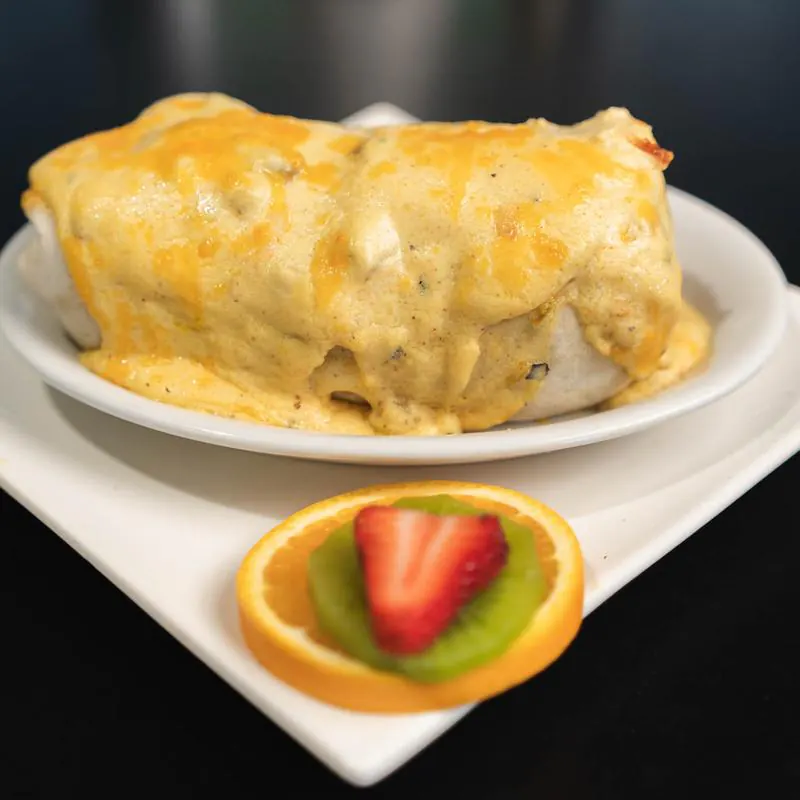
A café is generally an informal place to enjoy refreshments and a meal. Bennies Cafe in Monument serves breakfast and lunch in a counter-service setting, with options including eggs Benedict, sandwiches and crepes. Guests can eat in or arrange pickup.
What is the difference between a coffee shop and a café?
The terms often overlap. A coffee shop usually emphasizes coffee and other drinks, while a café may offer a broader food menu. Check the individual establishment's menu rather than relying on its name. Bennies Cafe offers coffee drinks alongside breakfast and lunch dishes.
What is the difference between café and coffee?
In everyday English, a café is a place where people buy food and drinks, while coffee is the beverage. The word café comes from the French word for coffee. Bennies Cafe serves options such as brewed coffee, espresso and lattes as part of its drinks menu.
Corrections
Spot something wrong? Send it to the desk and it gets fixed in the open.